
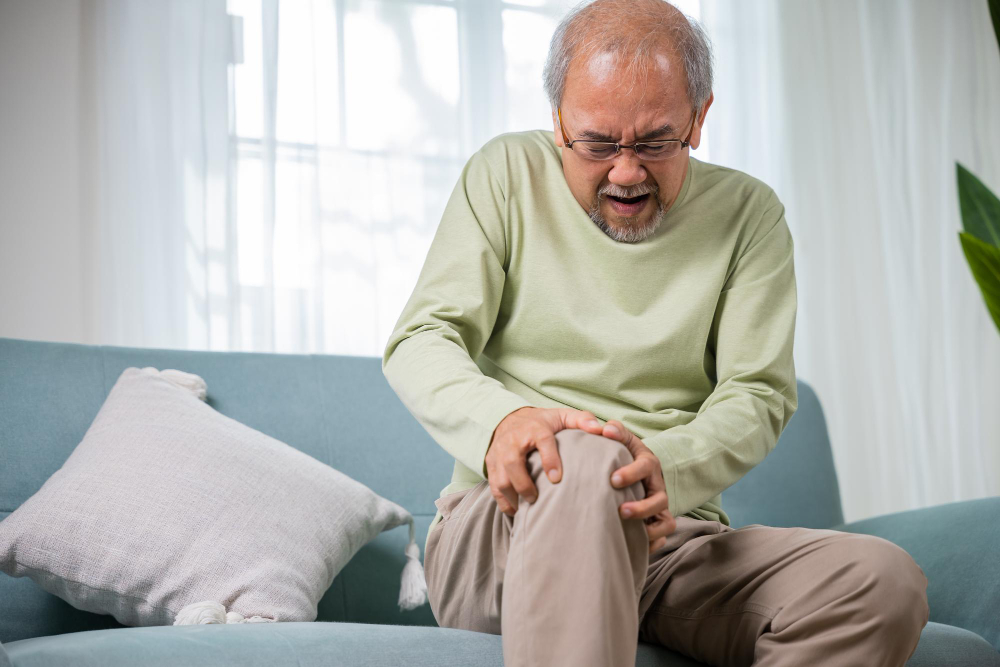
What Is Knee Osteoarthritis?
Knee osteoarthritis is a common joint condition. It happens when the cartilage in your knee wears down over time. Because of this, the bones in your knee may rub together. This can cause pain, swelling, and stiffness. Many people over age 50 experience knee osteoarthritis. However, younger people can get it too, especially after an injury. Early care can help manage symptoms and keep you active.
Common Symptoms of Knee Osteoarthritis
Symptoms of knee osteoarthritis often develop slowly. But, they can get worse over time. You may notice:
Sometimes, symptoms may come and go. Yet, they often become more frequent as the condition progresses.
Main Causes and Risk Factors
Several factors can lead to knee osteoarthritis. While aging is a major cause, other risks include:
Because some risks can be managed, healthy habits may help lower your chances of developing knee osteoarthritis.
Diagnosis Methods
Doctors use several steps to diagnose knee osteoarthritis. First, they ask about your symptoms and medical history. Next, they examine your knee for swelling, pain, or movement problems. Often, they order X-rays to check for joint damage. In some cases, an MRI may be needed to see soft tissues. Blood tests can help rule out other causes of knee pain. With these tools, your doctor can confirm if you have knee osteoarthritis.
Treatment Options for Knee Osteoarthritis
There are many ways to treat knee osteoarthritis. Your doctor will suggest the best plan for you. Treatment options include:
Medical Treatments
Surgical Treatments
Lifestyle Changes
Because each person is different, your treatment may include several of these options. Early treatment can help slow the disease and improve your quality of life.
Prevention Tips and Daily Living Advice
While you cannot always prevent knee osteoarthritis, you can lower your risk. Try these tips:
At home, simple changes can help. For example, use supportive shoes and avoid stairs when possible. Because small steps add up, these habits can make daily life easier and reduce pain.
Conclusion
Knee osteoarthritis is a common cause of knee pain and stiffness. However, early diagnosis and proper care can help you stay active. If you notice symptoms, consult an orthopedic specialist at Nabanipa Healthcare for personalized advice on knee osteoarthritis.