
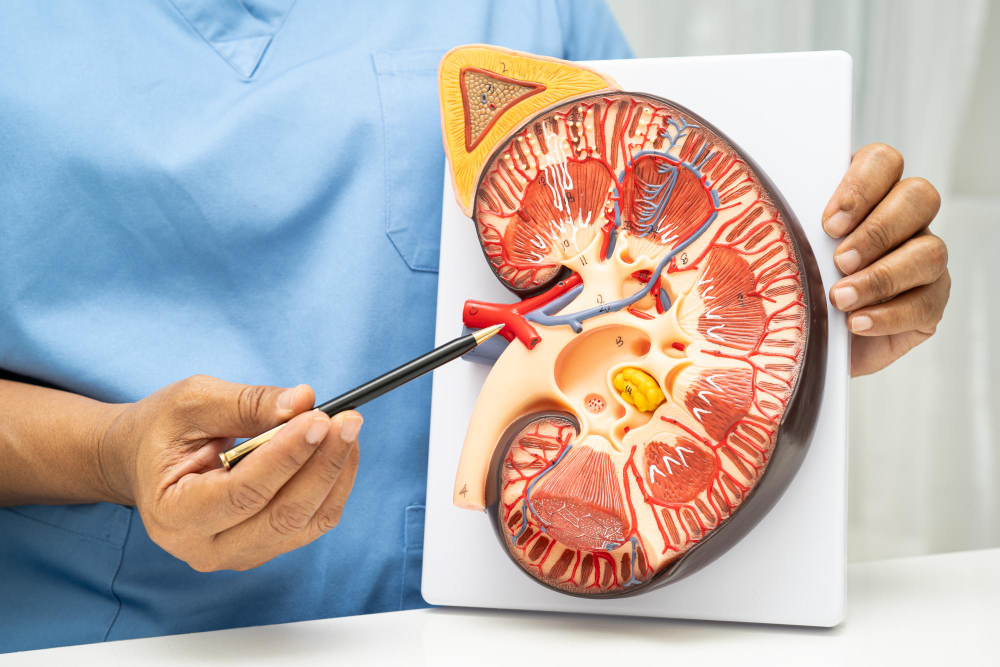
What is Chronic Kidney Disease (CKD)?
Your kidneys help clean your blood and remove waste. Chronic Kidney Disease (CKD) means your kidneys are not working as well as they should. Over time, CKD can get worse. Early care is important. Many people do not notice symptoms at first. However, learning how to care for your kidneys can help slow down the disease. This kidney health guide will explain what you need to know.
Common Symptoms of CKD
CKD often starts with mild symptoms. Sometimes, you may not notice any signs at all. But as the disease gets worse, you might notice:
For example, if you notice swelling or changes in urine, talk to your doctor. Early treatment can help.
Causes and Risk Factors
Many things can cause CKD. Some people are more at risk than others. The most common causes include:
In addition, people from certain backgrounds may have a higher risk. For instance, African Americans, Hispanics, and Native Americans are more likely to develop CKD. Knowing your risk can help you take steps to protect your kidneys.
How CKD is Diagnosed
Doctors use simple tests to check for CKD. First, they may ask about your health and family history. Next, they will check your blood pressure. Then, they may order these tests:
Early diagnosis can help slow CKD. If you have risk factors, ask your doctor about testing.
Effective Treatment Options
While CKD cannot be cured, treatment can help slow its progress. Your doctor may suggest:
Sometimes, you may need to see a kidney specialist. In severe cases, dialysis or a kidney transplant may be needed. However, most people can manage CKD with early care and healthy habits.
Daily Kidney Care Tips
Taking care of your kidneys every day is important. Here are some simple tips:
For example, you can swap salty snacks for fruit. Small changes can make a big difference.
Lifestyle Changes for Kidney Health
Healthy habits can protect your kidneys. Consider these lifestyle changes:
Additionally, if you have high blood pressure or diabetes, keep them under control. This will help prevent further kidney damage.
Preventing CKD Progression
Even if you have CKD, you can slow its progress. Here are some CKD prevention tips:
Moreover, avoid over-the-counter painkillers unless your doctor says they are safe. These can harm your kidneys if used too often.
When to See a Doctor
It is important to know when to seek help. See a doctor if you notice:
Early care can help prevent serious problems. If you have risk factors, ask your doctor about regular kidney checks. The CDC and WHO recommend early screening for people at risk.
In summary, caring for your kidneys is vital for your health. Simple steps can make a big difference. Consult a healthcare specialist at Nabanipa Healthcare for personalized kidney care advice.